Screen locally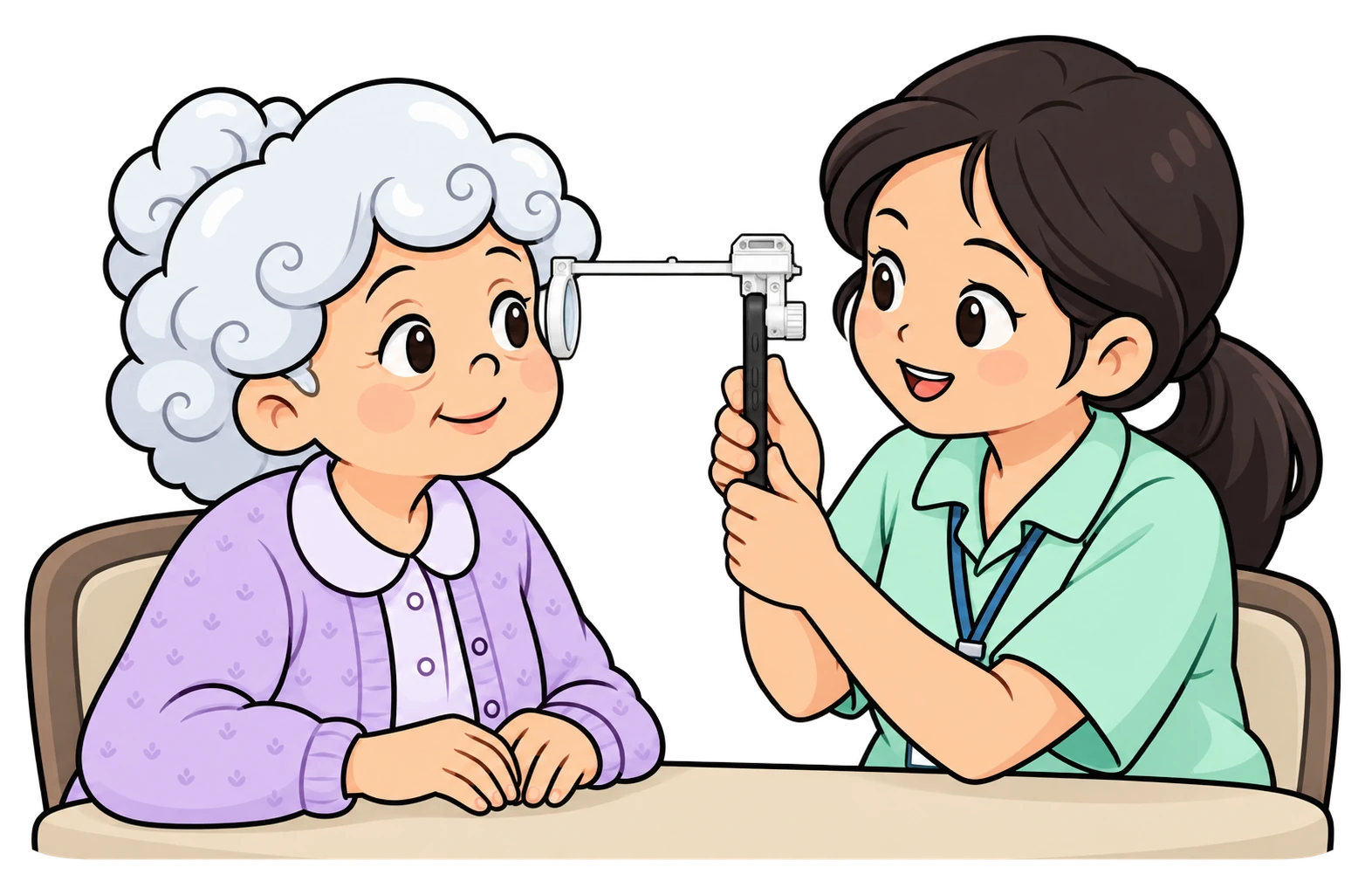
Start with someone nearby.
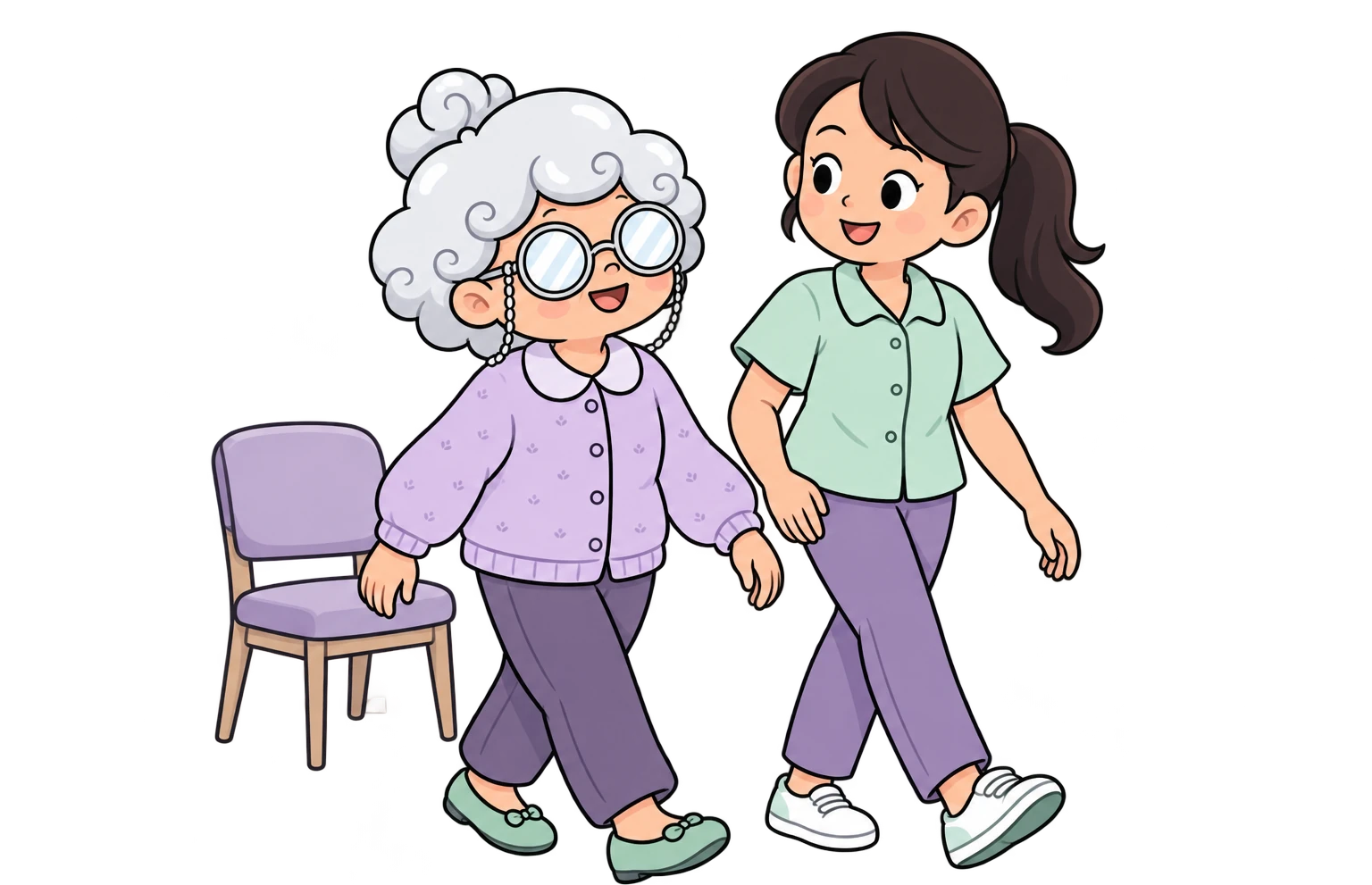
A trained health worker guides the screening in a familiar setting. A phone, the kit, and a little time together.
Brain and eye screening, closer to the people who need it. Meet the little kit with a big purpose.
Get to know NeuroPix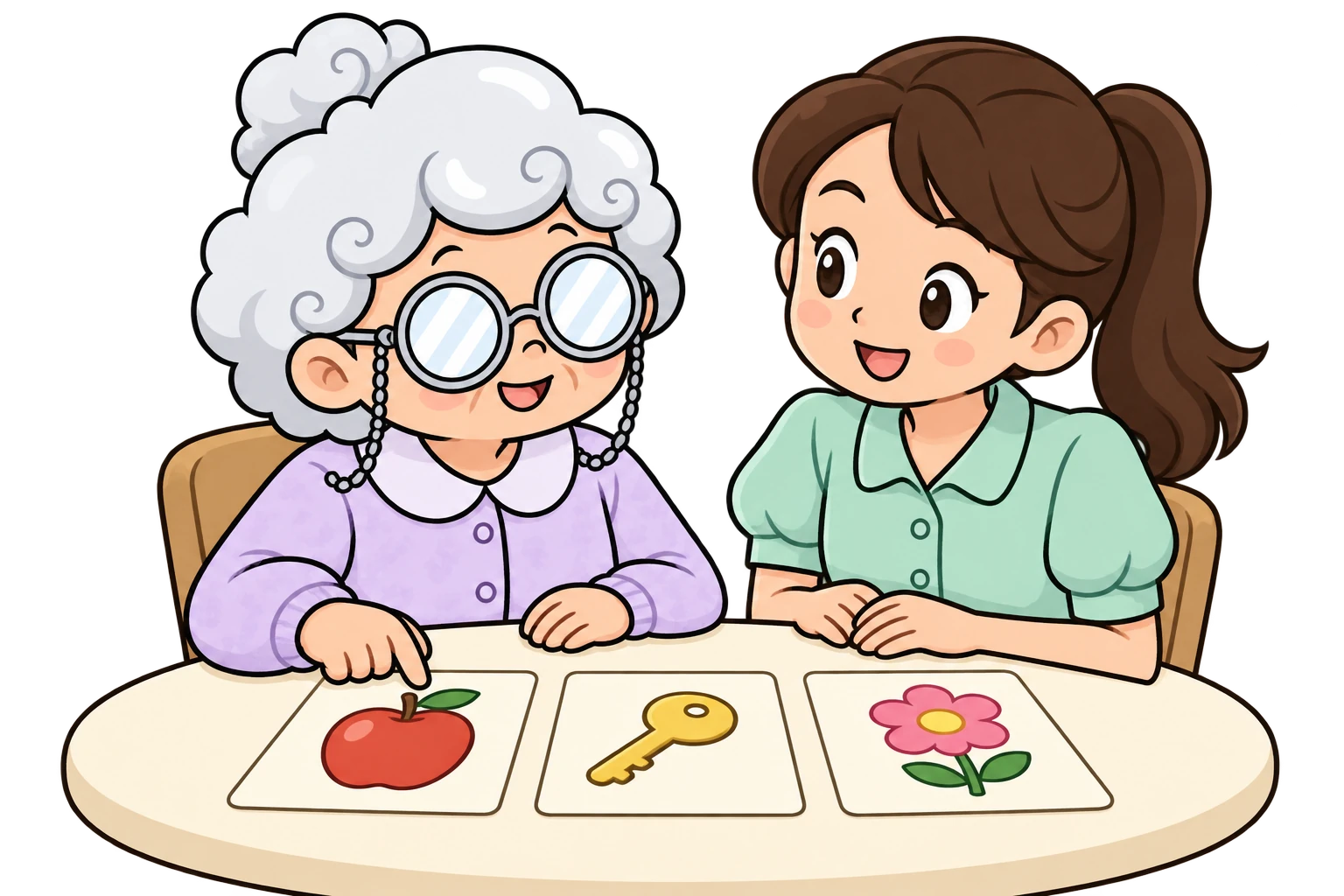

Prototype in development
A story worth a little scrollPeople first. Care closer. Proudly Filipino
 Bulacan, Philippines
For families in rural communities, a specialist can be a long journey from home. We believe the first step toward care should be much closer.
So we're starting where life happens.
Three connected parts. One thoughtful approach to early screening.
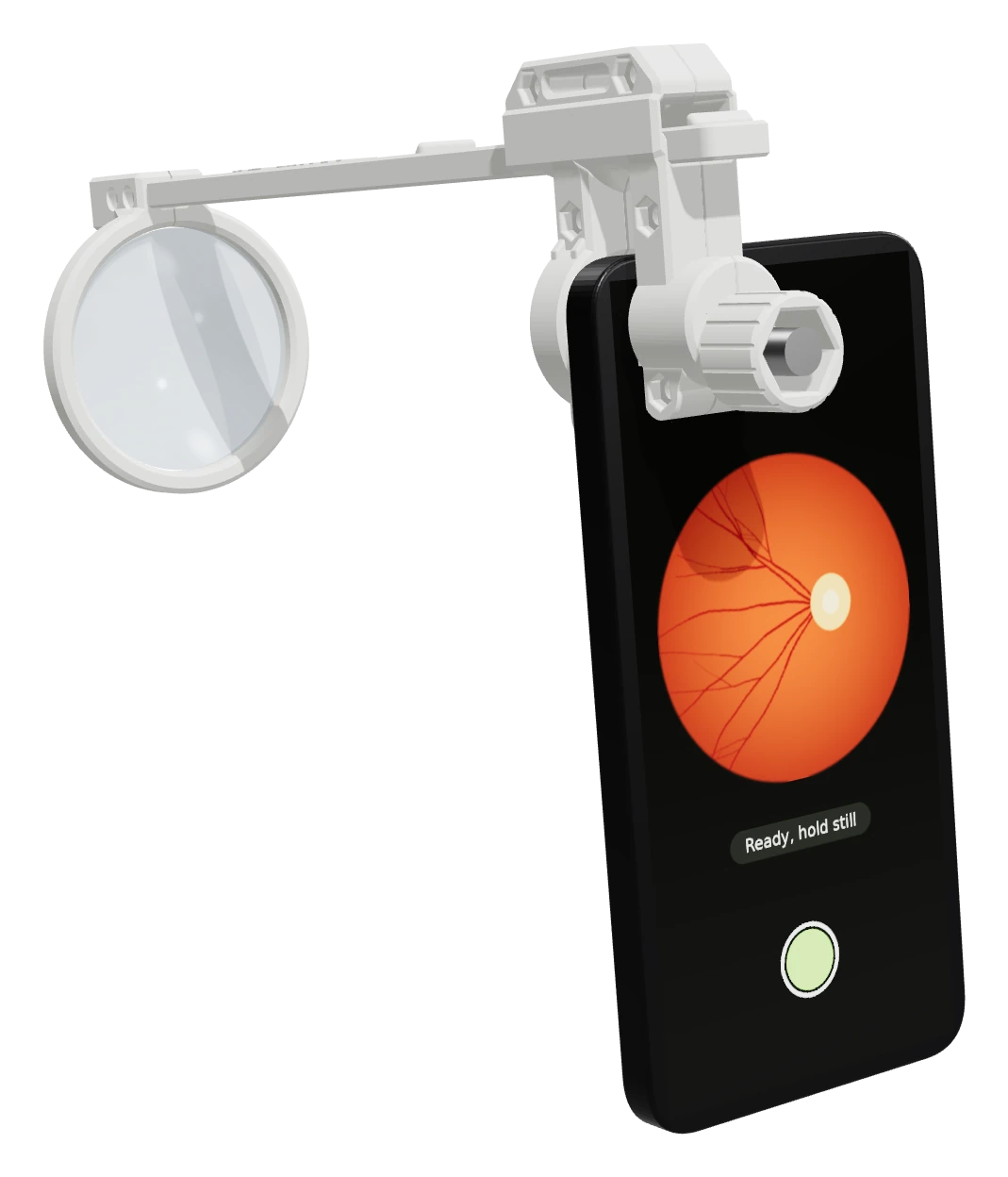
A portable retinal attachment brings eye imaging to a compatible smartphone. Guided capture is designed to help trained health workers get a clearer view.
Designed to support screening. Clinical decisions stay with healthcare professionals.
Meet Pix, our friendly guide. From the first hello to the next activity, a little encouragement makes something unfamiliar feel more human.
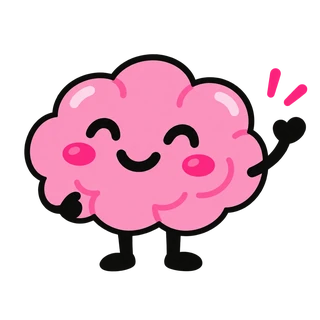
Kumusta po! Let's take it one step at a time.

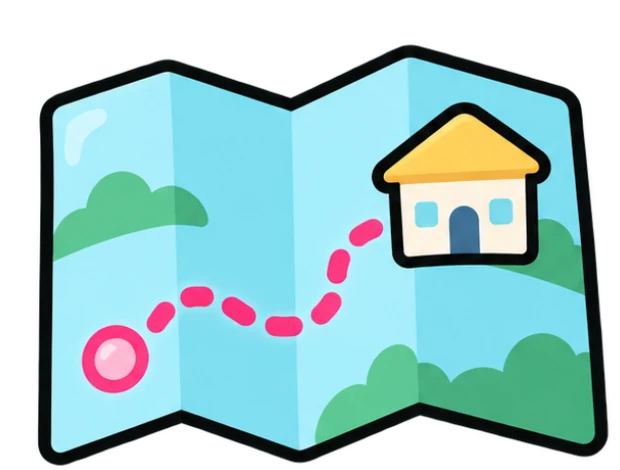 App shown in English. Filipino is also supported.
A look inside our app prototype
A warm welcome and a clear place to begin.
Illustrative app preview. Pix does not diagnose.
A connected care journey, designed to begin even without a connection.
Screen locallyA trained health worker guides the screening in a familiar setting. A phone, the kit, and a little time together.
Records are designed to stay on the device, then sync when internet becomes available. Care can begin in the community.
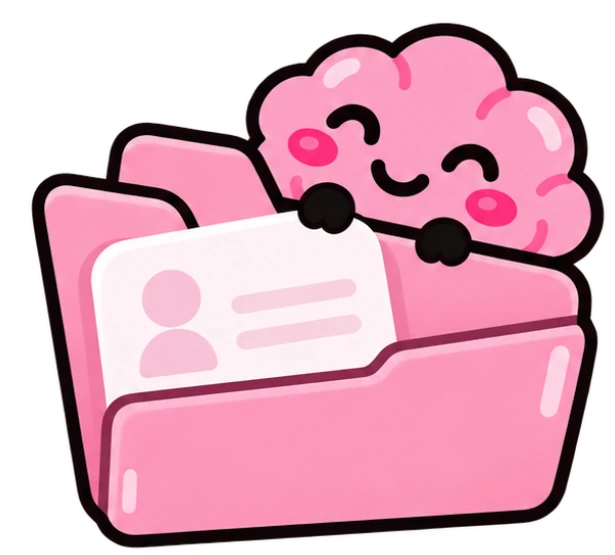
The planned review and referral pathway connects flagged cases with specialists, so local teams can help families find their next step.
We're Team Inhi-Neuro from Bulacan State University. We combine leadership, technology, and neurobiology around a shared purpose: bringing early screening closer to our communities.

Chief Scientific Officer
Specializes in neurobiology

Chief Technology Officer
Professional experience in tech
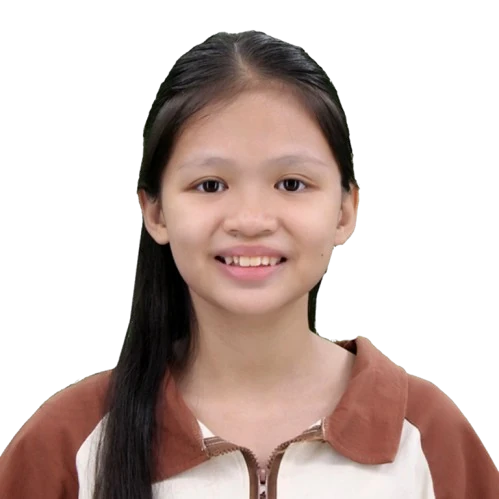
Chief Executive Officer
Team strategy & execution
Bulacan State UniversityHuawei ICT Competition · Innovation Track
We're building a prototype today, with a roadmap toward safety testing, clinical validation, and community pilots.
Bring the app and retinal attachment together into a working prototype.
Evaluate safety, clinical performance, and the experience of the people using it.
Work toward carefully planned pilots with local health partners.
NeuroPix is being developed as an early-screening aid. It is not a diagnosis and does not replace a qualified healthcare professional. Pix provides guidance, while clinical assessment and care decisions remain with professionals.
The intended screening workflow is offline first. Records are stored on the device, with synchronization and remote specialist review planned for when a connection becomes available.
We are designing for trained health workers and healthcare facilities serving rural Filipino communities, particularly older adults with limited access to specialist care. Participating facilities would provide a compatible smartphone and appropriately trained staff.
Not yet. The current app is a proof of concept with demonstration data, and the retinal attachment is a prototype. Safety evaluation, clinical validation, and the required approvals must come before clinical deployment.